London with Kids: First-Timer’s Family Guide
Planning your first family trip to London can feel overwhelming—especially when you’re navigating a new city with kids in tow. From figuring out how to use public transport to choosing attractions that actually work for families, there’s a lot to consider before you go.
Written by guest contributor, Lois aka @familylifenorthwest, this guide covers everything first-time visitors need to know about traveling to London as a family, including where to stay, how to get around, what to book in advance, and which experiences are genuinely worth your time. Whether you’re visiting with young children or older kids, these practical tips will help you plan a smoother, more enjoyable trip—so you can spend less time stressing and more time experiencing the best of London together.
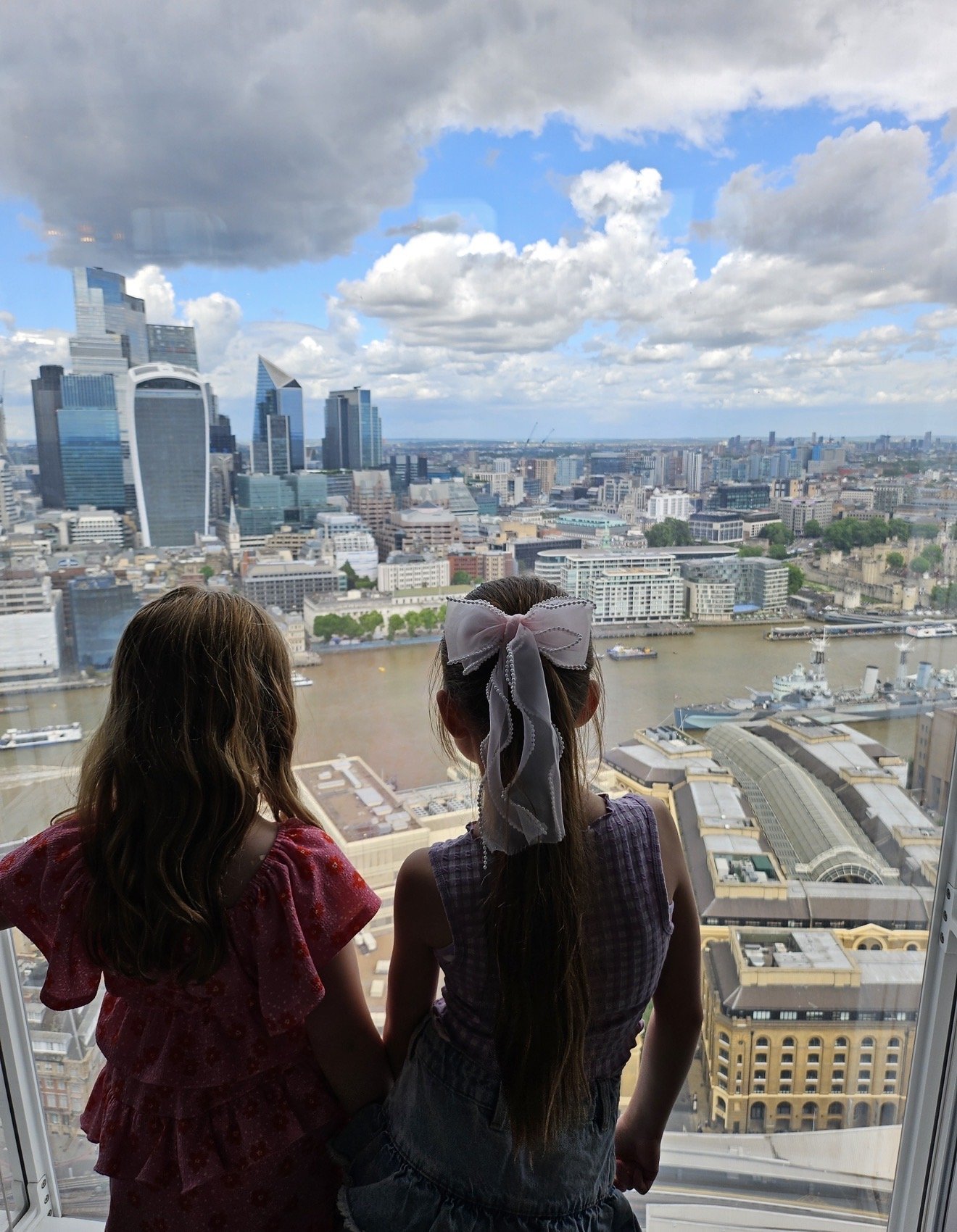
Travelling into London as a family, especially when you’re coming from outside the city, can feel like a lot. It’s big, busy, and full of options, which is both the magic and the challenge.
What we’ve learned over a few trips is that there isn’t a “right” way to do London. There are so many free and paid experiences, so many swanky and budget-friendly places to stay, and so many different ways to move through the city. It really comes down to what you want your trip to feel like, what you want to prioritise, and what your budget allows.
Rather than trying to “do everything,” we’ve found it helps to think about the vibe you’re aiming for first, then build your plans around that.
Setting the Vibe First
Before we even book tickets or accommodation, we usually ask ourselves a few simple questions:
• Do we want this trip to feel fast-paced and full, or slower and more relaxed?
• Are we mainly here for one big experience, or a few smaller moments spread across the day?
• Is this a budget-focused trip, or are we happy to spend a bit more for convenience or comfort?
• Are we aiming for touristy highlights, or something that feels more tucked away and local?
There’s no wrong answer, but having a loose sense of this makes everything else fall into place more easily, from where you stay to how much you try to fit in.
Getting There: Slow and Steady or Fast and Flexible
For us, London is close enough to visit without it always having to be a “big” holiday, but how we travel really sets the pace for the day.
Our usual go-to is booking through TrainPal and using the split ticket option. It normally takes around 2 hours 50 minutes, usually with one change, and is often a lot cheaper. If we’re trying to keep costs down and don’t mind a slightly longer journey, this is the option we come back to again and again.
When we want to save time, we’ve taken the Avanti fast train instead. It gets us there much quicker, but it is more expensive. Sometimes that extra cost feels worth it for an earlier start in the city and a more relaxed day once we arrive.
We also often choose an open return, which means we’re not rushing to make a specific train home and can leave when everyone’s had enough rather than watching the clock.
Using Google Maps to Make Smarter Choices
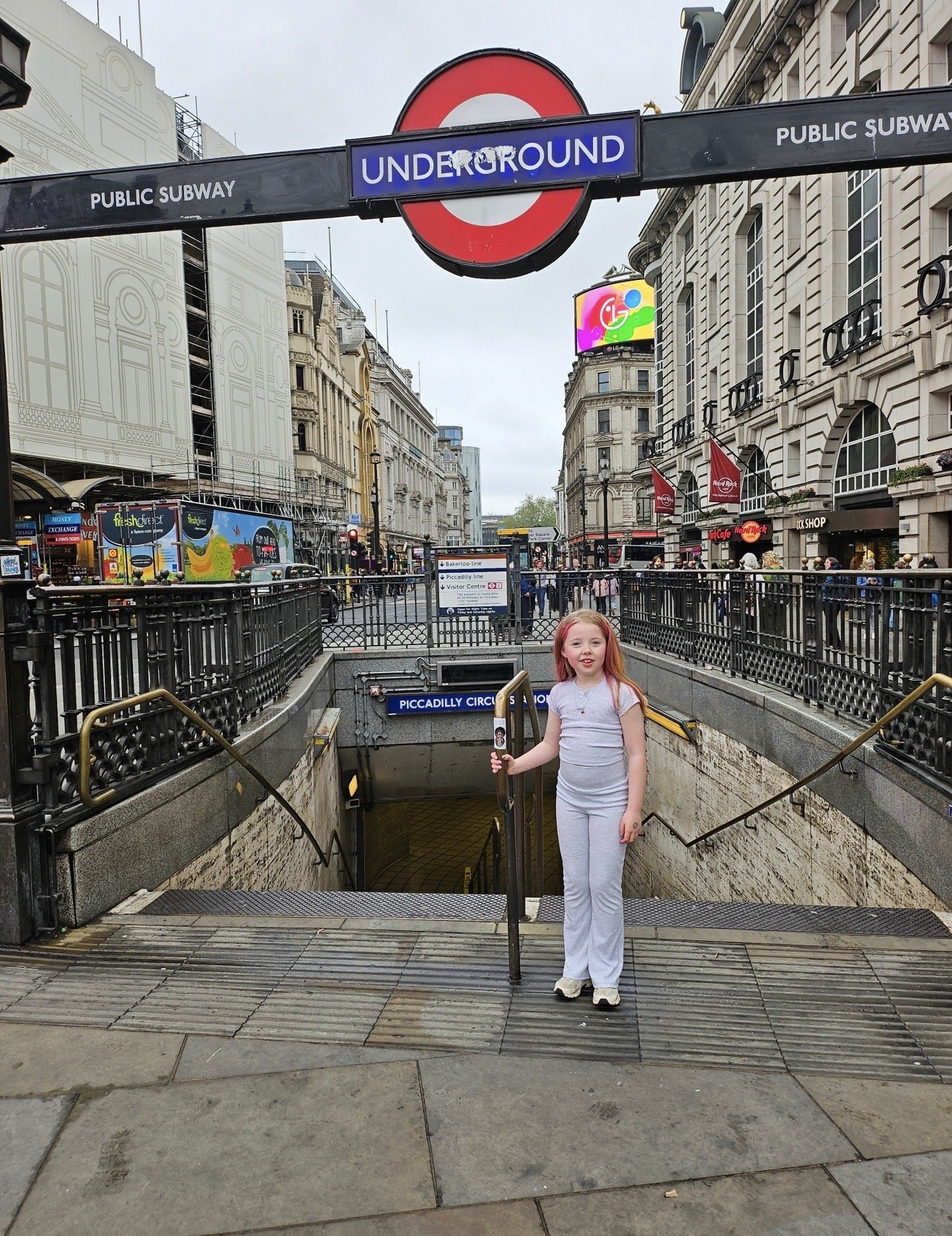
Before we even travel, we use Google Maps to get a feel for how far places are from each other. It helps us work out how close potential hotels are to the main things we want to see, what the nearest tube stations are, and roughly how long it will take to get into central London.
While we’re there, it becomes our go-to for navigating the city, finding the right lines to take, and moving between stops without turning the day into a puzzle.
Where to Stay: Central or Well-Connected
Where you stay can completely change how London feels.
Read neighbourhood guides to Hampstead or Greenwich if you want to stray outside the city centre.
If you’re planning on going to the theatre or spending most of your time in central London, staying right in the middle of things can make life easier. There are some great centrally located, minimalist-style hotels around areas like Covent Garden and Leicester Square, such as Zedwell, which often come up in our research and are popular for being within walking distance of shows and major attractions.
On the other end of the scale, we’ve also stayed at the Premier Inn on Hanger Lane. We’ve managed to get rooms there for as little as £50 a night, even on a weekend. The tube station is literally across the road, and you’re only about 15 to 20 minutes from central London. It’s a really good example of how staying slightly further out can save money without making things feel complicated.
This is where that “vibe” question comes back in. Central can feel exciting and immersive. Further out can feel calmer, cheaper, and sometimes more practical with kids.
Free, Paid, and Everything in Between
One of the best things about London is how much there is to do at every price point.
Some of our favourite free experiences have been big, open ones, like wandering through Hyde Park or St James’s Park, exploring the Natural History Museum or the Science Museum, or walking along the South Bank watching the street performers and boats go by.
Then there are the paid “treat” activities that can feel really special if you plan for them, things like the London Eye, immersive exhibitions, West End shows, or one-off experiences tied to something your child is currently obsessed with.
We’ve also found it worth keeping an eye out for Merlin vouchers, which often pop up on cereal boxes and online promotions. They can make a big difference to the cost of places like the London Eye, Madame Tussauds, SEA LIFE, and other big-ticket attractions, especially when you’re travelling as a family.
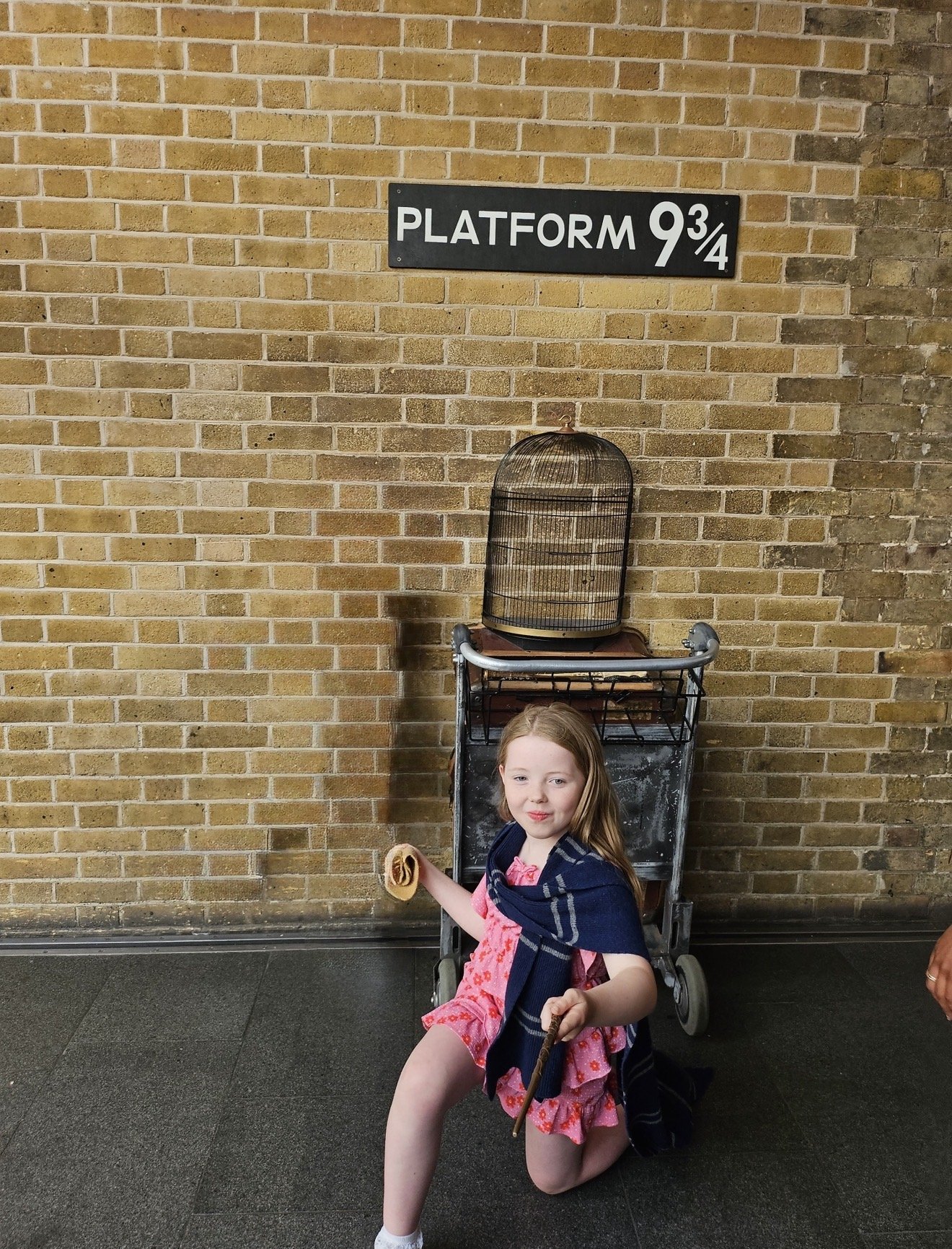
One place we always build into our plans is Hamley’s. For kids, it can feel like an experience in itself rather than just a shop. We usually treat it as a “stop” rather than a spending spree, letting our daughter explore the floors, watch the toy demonstrations, soak up the atmosphere and finish off picking one thing that really caught her eye! They also have a whole Harry Potter floor downstairs. It’s a really nice way to add a bit of magic into the day without it automatically becoming another big expense.
Planning Without Overplanning
When you’re only in London for a short window, it really helps to have a loose itinerary. Not a minute-by-minute schedule, but a realistic plan that accounts for travel time between places, food breaks, and everyone’s energy levels.
We’ve found AI planning tools surprisingly helpful. By telling them where we’re staying, the kinds of things we want to do, and how long we have, they can suggest a practical route that makes sense geographically. It’s not perfect and needs sense-checking, but it’s been a great way to reduce the mental load and start with a solid framework.
We usually pick one or two “anchor” activities and let the rest of the day form around them. Sometimes we let our daughter choose one, which makes the whole day feel more like “our” trip rather than a checklist.
The Small Things That Make a Big Difference
Some of the best tips we’ve picked up aren’t about where to go, but what to bring.
We nearly always start the day by packing a few easy, grab-and-go snacks into our backpack, things like fruit, crisps, and sandwiches, depending on what time we’ve had breakfast and where we’re heading first. They’re useful on the train, great to have back at the hotel later, and take the pressure off finding food the moment everyone starts getting hungry.
A backpack with the basics means you’re not constantly buying things on the go. Light raincoats or ponchos are a lifesaver if the weather turns, and having snacks to hand can completely change the mood when energy dips.
We often pack a small game like Dobble for the train or café breaks. It doesn’t take up much space and gives everyone a moment to slow down together.
A power bank is another quiet hero. Between maps, photos, tickets, and messages, phone batteries disappear quickly, and having a backup means you’re not suddenly navigating London with a dead screen.

Food Without the Stress
Food can either be a highlight or a headache.
On some trips, we plan meals in advance, especially when we know we’ll be tired at the end of a long day. On others, we go with what we find nearby.
Having one easy, familiar option in mind, whether that’s a favourite chain or somewhere close to where you’re staying, can take a lot of pressure off when everyone’s hungry and decision-fatigued.
Making It Your Own
The biggest thing London has taught us is that comparison doesn’t really help. You’ll see families doing it cheaper, fancier, faster, and slower, all at the same time.
What matters is whether it feels good for your family.
Sometimes that means spending more on location to make things easier. Sometimes it means taking the slower train to save money and putting that towards a show or experience instead. Sometimes it means packing the day full. Other times it means doing one main thing and calling it a win.
Final Thoughts
London doesn’t need to be “conquered” in one trip. It’s the kind of place you can keep coming back to, changing how you experience it as your family grows and your priorities shift.
The best trips we’ve had are the ones where we stopped trying to do it the “right” way and started doing it our way.
read more about visiting London here